2025 – present
Associate ProfessorDepartment of Computer Science, University of Oregon
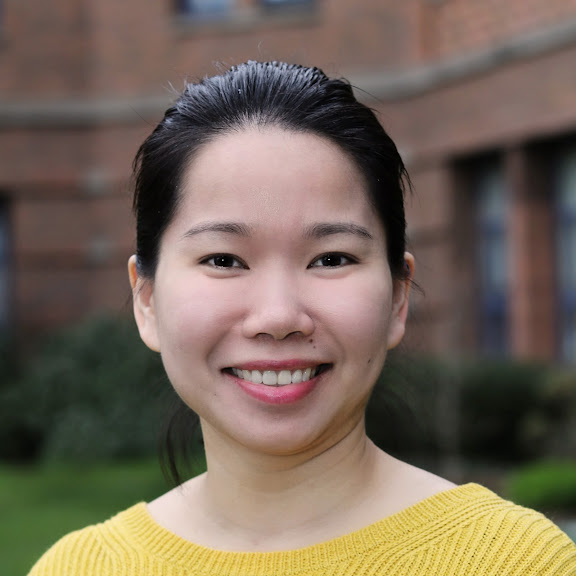
Associate Professor · Department of Computer Science · University of Oregon
I am an Associate Professor in the Department of Computer Science at the University of Oregon. My research interests span Artificial Intelligence, Multi-Agent Systems, Reinforcement Learning, Generative AI, and Optimization. My work is driven by real-world interdisciplinary challenges and develops advanced AI/ML methods with applications across diverse domains, including Physics (e.g., multislice electron ptychography), Healthcare (e.g., diabetes prevention and tumor microenvironment analysis), Public Safety and Security (e.g., urban crime prevention and counterterrorism), and Sustainability (e.g., wildlife and fish protection).
The COMPASS Lab at the University of Oregon is an Artificial Intelligence (AI) research group dedicated to advancing the foundations of Learning and Decision Intelligence for interdisciplinary research. Our research in AI is driven by real-world interdisciplinary challenges, particularly in Physics (e.g., multislice ptychography for 3D atomic reconstruction), Public Health (e.g., diabetes prevention and tumor microenvironment analysis), Public Safety and Security (e.g., urban crime prevention and counterterrorism), and Sustainability (e.g., wildlife and fish protection). We aim to bridge the gap between AI theory and practice by developing practical, computational solutions to these complex problems. Our work integrates methods from multiple areas of AI—including Multi-Agent Systems, Generative AI, Reinforcement Learning, and Optimization—as well as insights from disciplines beyond AI, such as Psychology, Physics, and Biology.
We develop new reinforcement learning (RL) algorithms guided by human feedback, addressing three key questions: (i) how human feedback can be effectively leveraged to enhance RL across learning paradigms, including offline RL, imitation learning, and multi-agent RL; (ii) how to handle heterogeneous human feedback data that vary in quality and reliability; and (iii) how large language models (LLMs) can be utilized to generate additional feedback data, helping to overcome the limitations of scarce human evaluations.
Electron microscopy combined with ptychography—a computational imaging technique—has enabled record-breaking resolution in electron microscopy. Despite recent advances, conventional reconstruction methods remain computationally intensive, often requiring hours or even days to converge. We are developing a novel predictive electron ptychography framework that synergistically integrates generative AI models with the forward model of conventional electron ptychography, producing high-resolution phase images of both thin and thick specimens in a single, real-time forward pass.
We apply advanced AI/ML methods to model and analyze the tumor microenvironment in collaboration with biomedical researchers.
I contributed to developing PAWS (Protection Assistant for Wildlife Security), a deployed game-theoretic application for anti-poaching patrol planning. I led the wildlife-protection project in Indonesia in 2015 and participated in extending the application to protect tigers in Malaysia in 2016, collaborating with NGOs including the World Wildlife Fund, Panthera, Rimba, and the Wildlife Conservation Society. This work led to new research extending PAWS to Uganda, and PAWS has been extensively tested and deployed in both Malaysia and Uganda. The companion CAPTURE tool provides predictive anti-poaching analytics and was runner-up for the Best Innovative Application Paper Award at AAMAS 2016.
Designed to raise health-risk awareness in under-represented communities by (i) building new behavioral models of human health-risk behavior and applying machine learning techniques to learn the models, and (ii) developing new reinforcement learning algorithms to generate effective intervention plans that help improve people's health.
Real-world security domains are often characterized by partial information: uncertainty (particularly on the defender's part) about actions or underlying characteristics of the opposing agent. To the extent that the defender relies on data, the attacker may modify its behavior to mislead the defender and manipulate learning outcomes to its long-term benefit. This project investigates strategic deception on the part of an attacker with private information.
Studies the security of machine learning in decision-focused multi-agent environments, where AI models that combine learning and planning face increased threats from attacks on the learning component via exploitation of vulnerabilities of machine learning algorithms.
Investigates strategic behavior of players in exploiting and revealing private information to influence the decisions of other players, analyzing NP-hardness and designing efficient game-theoretic algorithms for optimizing information-revealing strategies in various classes of games, including security games.
Develops practical game-theoretic solutions for complex, large-scale cybersecurity domains involving dynamic stochastic interactions between network administrators and cybercriminals, applying simulation-based methodologies—particularly empirical game-theoretic analysis—and parameterized heuristic solutions.
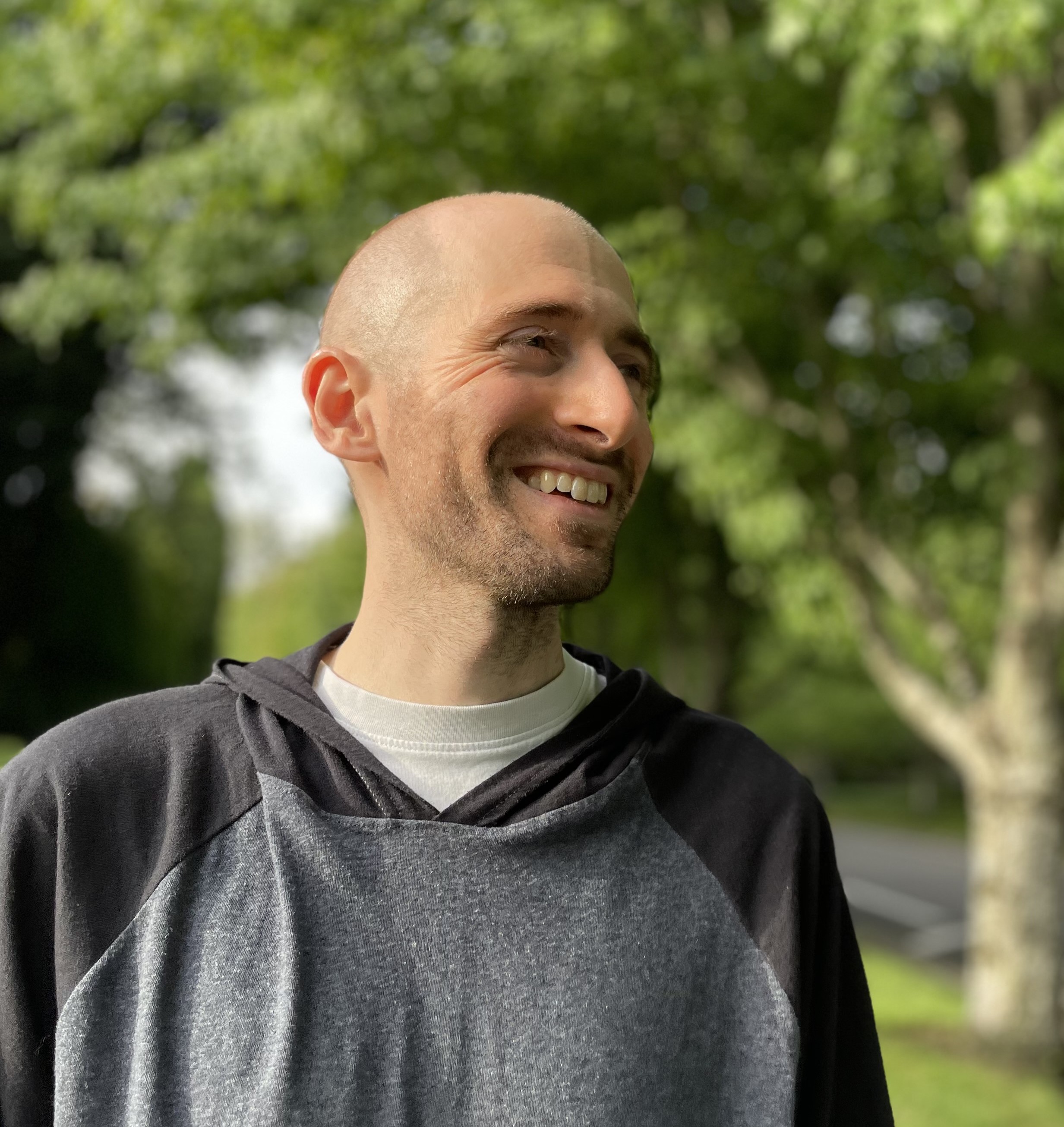 Mathew Huerta-Enochian
Ph.D. student (Fall 2026)
Mathew Huerta-Enochian
Ph.D. student (Fall 2026)
 Michael Dushkoff
Ph.D. student (Fall 2024, co-advised with Prof. Allen D. Malony)
Michael Dushkoff
Ph.D. student (Fall 2024, co-advised with Prof. Allen D. Malony)
 Jonah Tang
Master's student (Biology)
Jonah Tang
Master's student (Biology)
 Said Efendiyev
Master's student
Said Efendiyev
Master's student
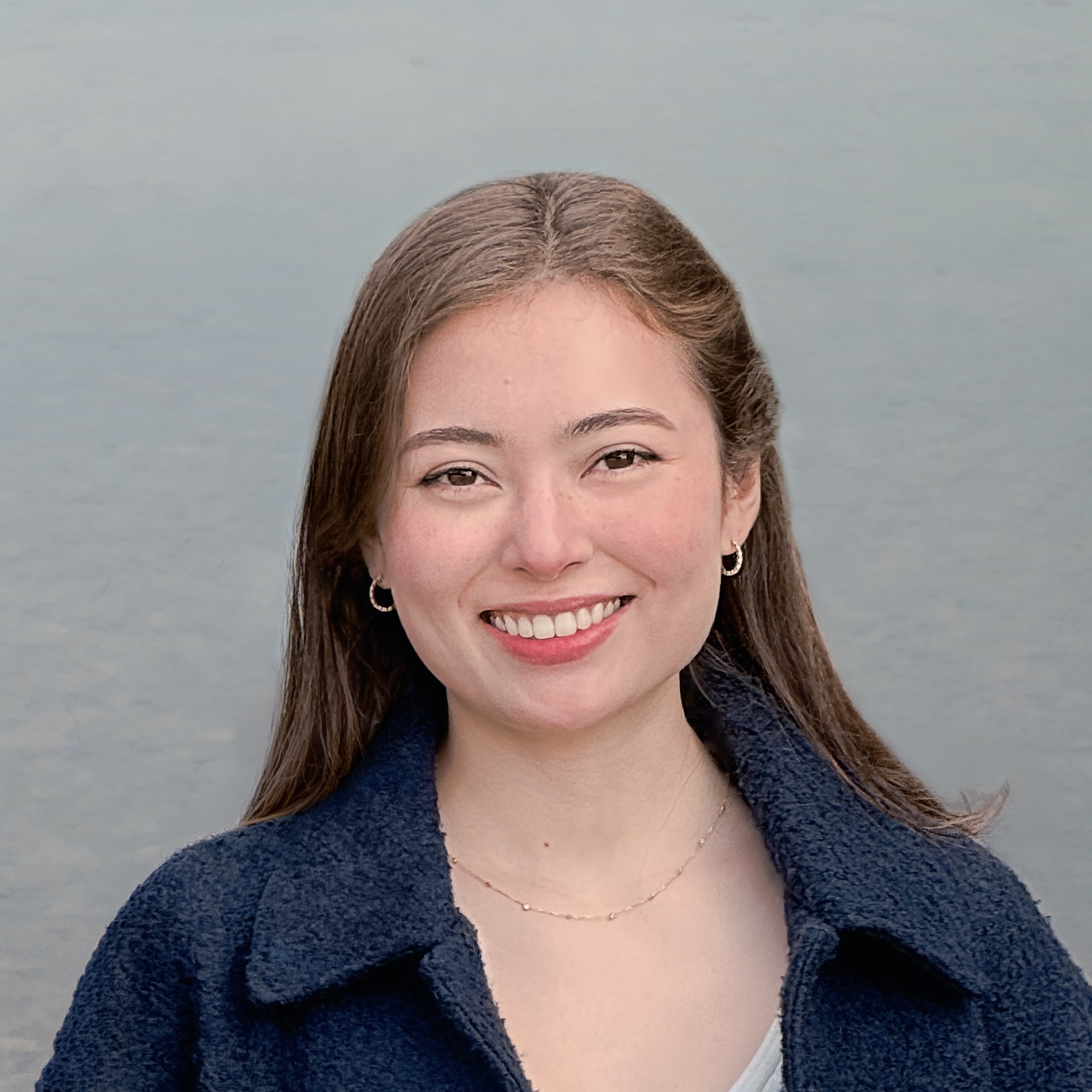 Eleanor Moseley
Undergraduate student
Eleanor Moseley
Undergraduate student
| Fall 2019-2026, Winter 2019-2021 | CS 471/571: Introduction to Artificial Intelligence |
| Fall 2020, Spring 2020, Fall 2024, Winter 2022-2024, Winter 2026 | CS 607: AI for Social Good |
| Winter 2025-2026, Spring 2026 | CS 315: Intermediate Algorithms |
| Winter 2022-2025 | CS 372M: Machine Learning for Data Science |
| Fall 2022-2023, Spring 2019-2022 | CS 410/510: Multi-Agent Systems |
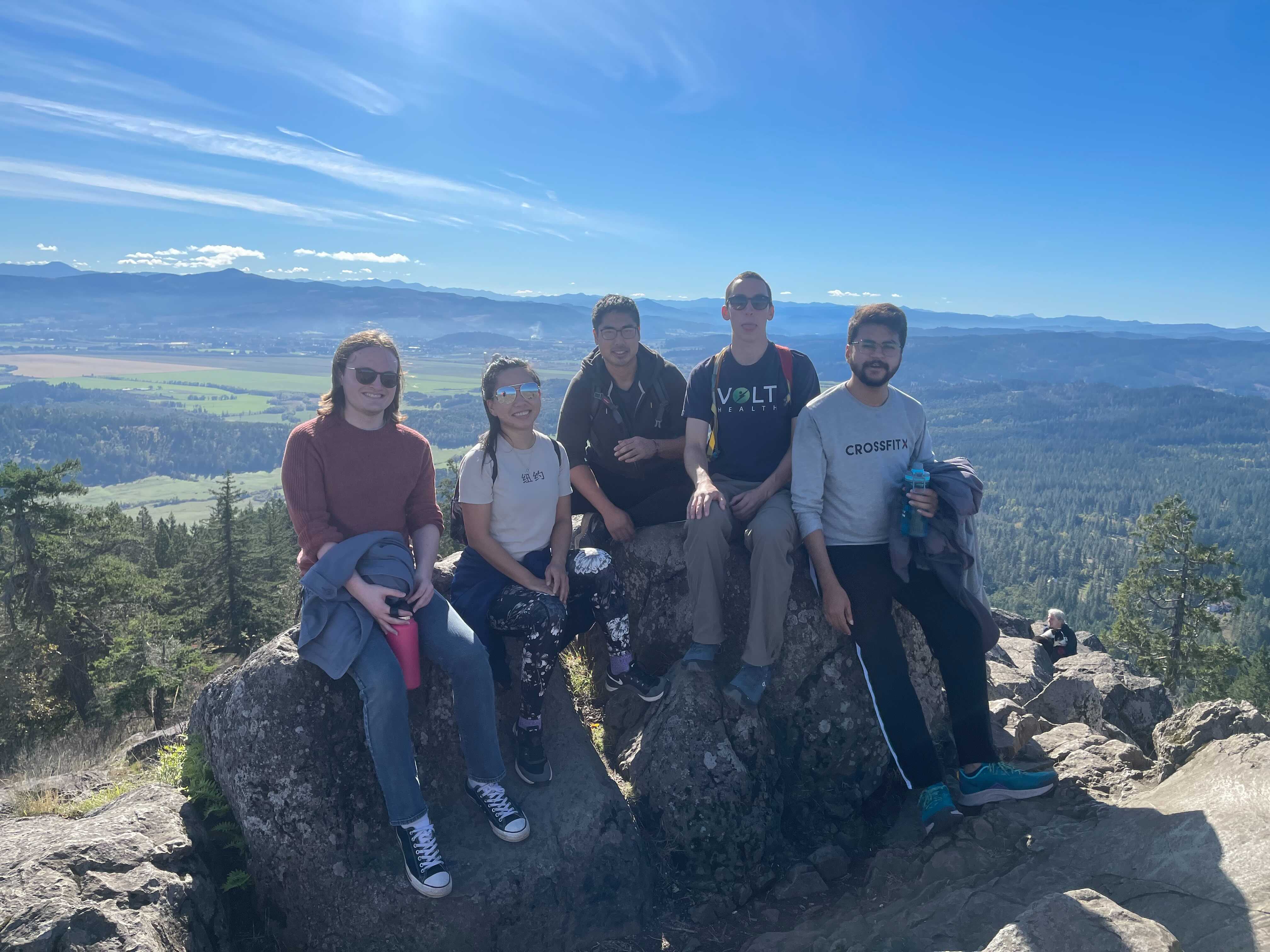
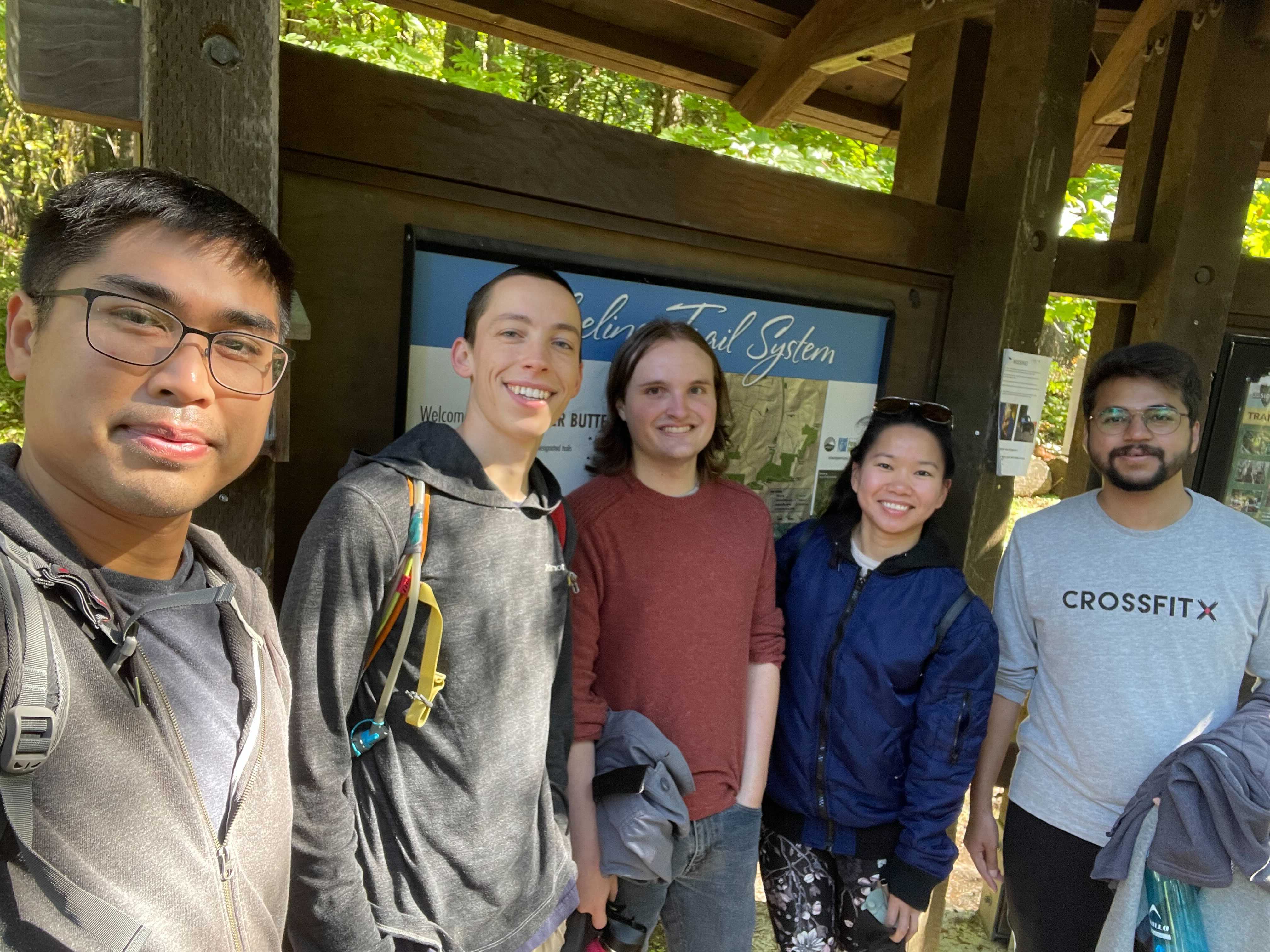
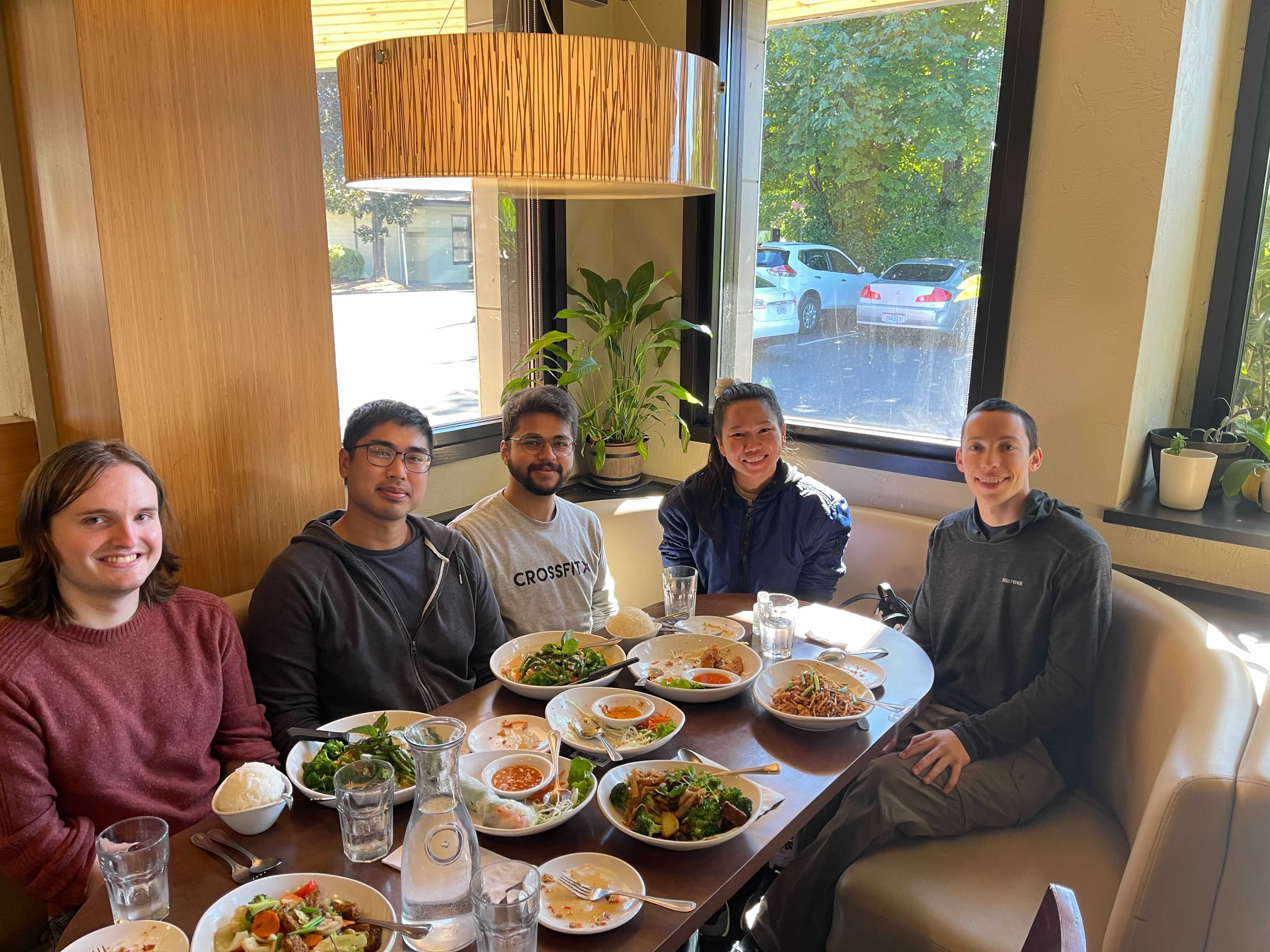
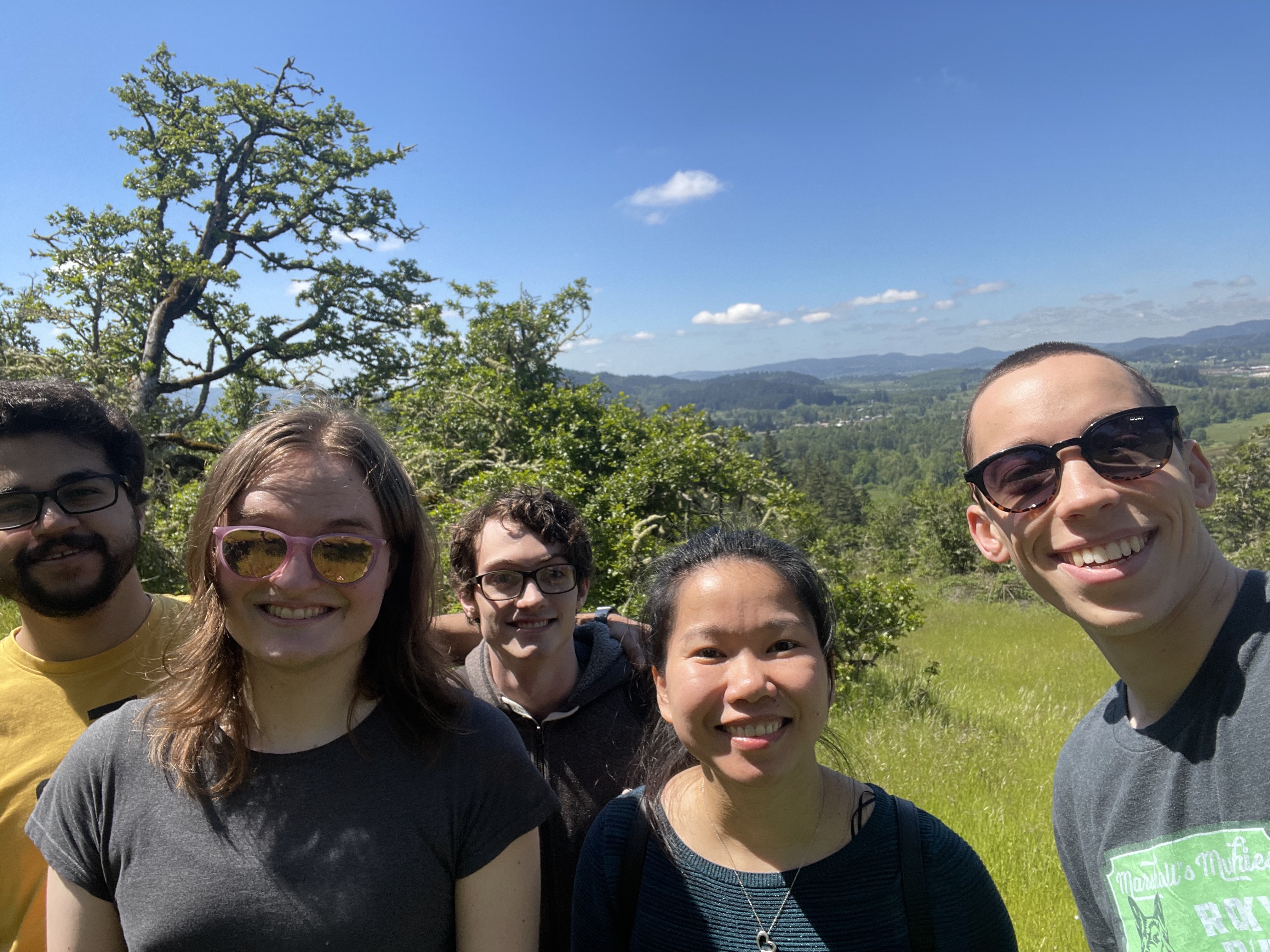
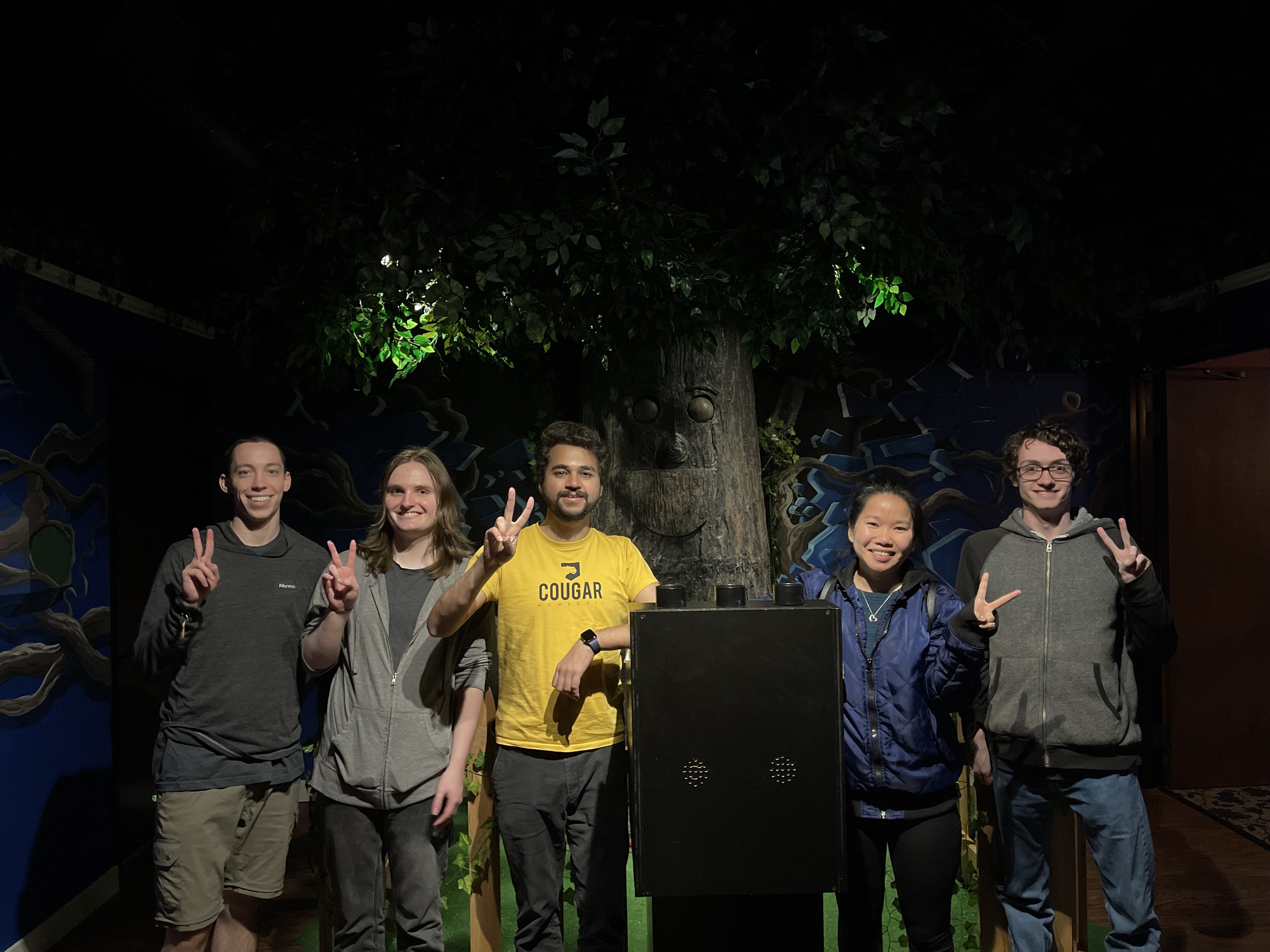
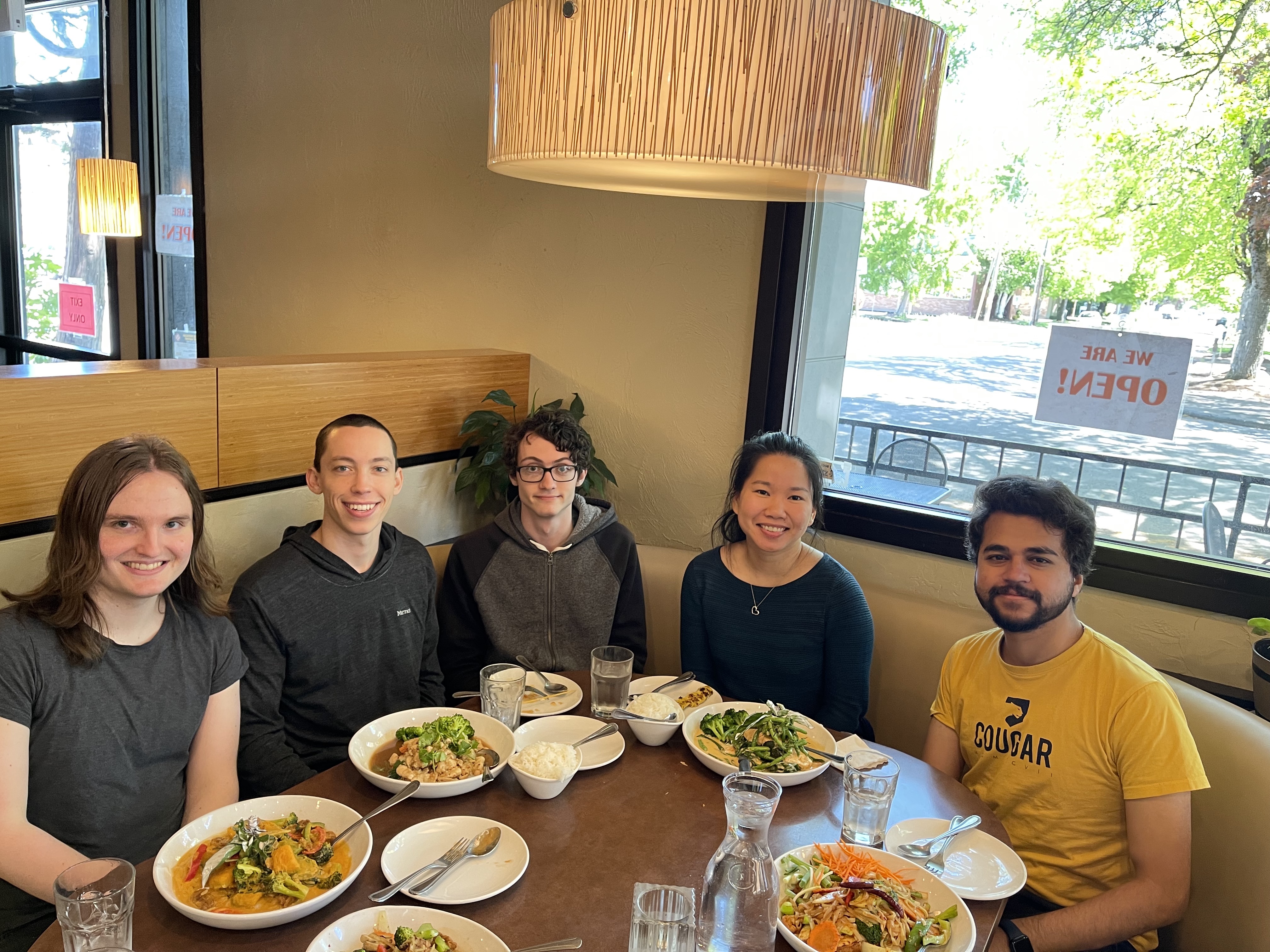
Lab activities and group outings.
Room 303, Deschutes Hall
Department of Computer Science
University of Oregon
Eugene, OR 97403-1202
Eugene, Oregon — home of the University of Oregon